
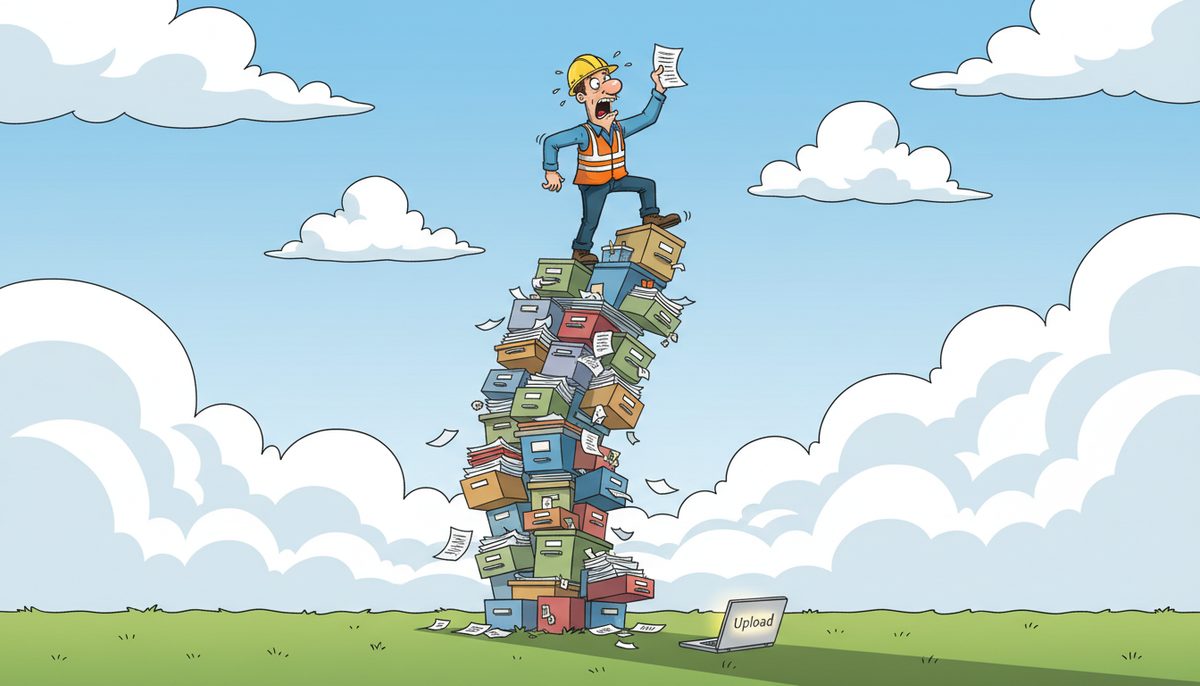
Yes, DataStream Networks provides complete IT infrastructure to meet WorkSafeBC’s digital documentation requirements for Victoria construction companies. We ensure your incident reports, safety programs, and worker records remain secure and accessible with automated backup systems, reliable network infrastructure, and local Vancouver Island technicians who respond within minutes when systems fail before critical three-day submission deadlines. Started in 2012, we’ve supported hundreds of construction companies across the island.
What are WorkSafeBC’s digital documentation requirements for construction companies?
WorkSafeBC mandates that construction employers maintain digital records of workplace incidents, hazard assessments, safety meetings, and worker training for minimum retention periods. Incident reports must be submitted within three days of serious injuries or fatalities. Your occupational health and safety program documentation must be immediately available for WorkSafeBC inspectors during site visits.
The regulatory framework extends beyond basic record-keeping. Construction companies need secure systems to store daily hazard assessments, toolbox talk attendance sheets, equipment inspection logs, and subcontractor safety orientations. These documents form your legal defense in the event of claims or investigations.
Victoria’s construction sector faces additional complexity with heritage building renovations and seismic upgrade projects that require extensive documentation trails. When you’re coordinating between island job sites and mainland suppliers with limited cellular connectivity in rural areas, system reliability becomes critical.
WorkSafeBC can levy penalties up to $723,945 for serious violations, making documentation compliance essential for business survival.
DataStream’s local presence in Victoria, Nanaimo, Duncan, and Cobble Hill means we understand the specific challenges of maintaining compliant systems across Vancouver Island construction sites. Our technicians can be on-site when remote support isn’t enough.
How do you ensure our safety documentation stays accessible and secure?
We implement automated backup systems that protect your WorkSafeBC documentation with multiple recovery points throughout each day. Your incident reports, training records, and safety program files are encrypted and stored both locally and in secure off-site locations, ensuring you can retrieve critical documents even if your site office experiences hardware failure or theft.
Luigi Mansueti from a Victoria construction company experienced this firsthand: “DataStream installed a new backup system, provided security for our network, and established a roadmap for future projects. DataStream thoroughly cleaned our file sharing, implemented password control, and smoothly transitioned us to take back control of our network.”
Our security solutions protect your documentation from ransomware attacks that could lock you out of compliance records during a WorkSafeBC inspection. We monitor your systems 24/7 and respond immediately to threats that could compromise your safety documentation.
For construction companies handling public sector projects subject to FIPPA (Freedom of Information and Protection of Privacy Act), we ensure your IT infrastructure meets the enhanced privacy requirements mandated for government work. This includes proper access controls, audit trails, and secure document retention policies.
Your safety coordinator can access current documentation from any authorized device, whether they’re at the main office, a job site trailer, or meeting with a WorkSafeBC inspector.
What happens if our systems crash before a WorkSafeBC deadline?
We provide lightning-fast response with most problems fixed remotely within minutes. When you have a three-day deadline to submit an incident report or need to produce safety documentation for an unannounced inspection, every hour counts.
Our live people answer phones with no voicemail, phone tree, or long wait times. You reach a real technician immediately, not an automated system that delays your urgent request. Started in 2012, we’ve built our reputation on being 100% committed to providing the most reliable and professional IT service on Vancouver Island.
If remote resolution isn’t possible, we automatically dispatch an on-site technician from our Vancouver Island team. We don’t outsource tech overseas, so our technicians understand local construction workflows and can physically reach your Victoria, Nanaimo, or Duncan location quickly.
Our proactive monitoring often identifies and resolves potential system failures before they impact your operations. We catch failing hard drives, network issues, and software conflicts before they prevent you from accessing or submitting required documentation.
This rapid response eliminates the business risk of non-compliance penalties or missed opportunities.
Can your systems integrate with our existing safety management software?
Yes, we support the technology infrastructure that runs your safety management platforms, whether you use specialized construction safety software, document management systems, or cloud-based compliance tools. Our managed IT services ensure these applications remain accessible, properly backed up, and integrated with your broader IT environment.
Many Victoria construction companies use a combination of estimating software, project management platforms, and safety documentation tools. We ensure these systems communicate properly and that your data flows securely between applications without creating compliance gaps.
Our team configures secure access for field staff and superintendents who need to complete daily reports, hazard assessments, or incident documentation from job site tablets or smartphones. We implement the network security and mobile device management required to protect sensitive worker information while maintaining usability.
When you add new subcontractors who need temporary access to your safety orientation materials, we can quickly provision appropriate permissions without compromising your overall system security. This flexibility is essential for construction workflows where team composition changes project by project.
We also ensure your safety documentation systems comply with BC’s Builders Lien Act requirements for meticulous documentation with specific timelines, protecting both your WorkSafeBC compliance and your legal position on payment disputes.
How do you support documentation requirements across multiple job sites?
We provide reliable connectivity and system access for site offices across Vancouver Island’s geography, from downtown Victoria institutional projects to rural residential developments. Our network solutions ensure your project managers and superintendents can access and update safety documentation regardless of location.
Construction companies need to coordinate between island job sites and mainland suppliers while maintaining real-time access to current safety programs and incident reporting systems. We implement secure VPN connections, cloud-based document access, and mobile-friendly solutions that work even in areas with limited cellular connectivity.
Each site office gets the same level of support as your main location. When a superintendent needs to pull up a worker’s training records during a site inspection or document a near-miss incident immediately, the system responds reliably.
Our local Vancouver Island technicians can reach your Cobble Hill, Duncan, Nanaimo, or Victoria locations for on-site support when needed. We understand the island’s construction market and the practical challenges of maintaining IT systems in temporary site office trailers.
For larger general contractors managing multiple concurrent projects, we ensure centralized visibility of all safety documentation while maintaining project-specific access controls. Your safety director can monitor compliance across all active sites from a single dashboard.
This multi-site capability extends to your subcontractor coordination, allowing subs to submit their own safety documentation and training records through secure portals that integrate with your master compliance system.
What’s your approach to preventing documentation loss from cyber threats?
We implement layered security that protects your WorkSafeBC documentation from ransomware, phishing attacks, and other cyber threats targeting construction companies. Our Advanced Security Solutions include email filtering, endpoint protection, and network monitoring designed specifically for businesses that can’t afford downtime.
Daryl Wood from a construction company explained the stakes: “Considering all the cyber threats facing businesses today, you have to ask, what happens if your systems go down and you can’t operate for several days? If this would cause you big problems, I’d suggest protecting yourself by selecting DataStream as your security partner and get some peace of mind knowing they have it covered.”
Construction companies are increasingly targeted because attackers know you operate on tight deadlines and will pay to regain access to project files and compliance documentation. We prevent these attacks from succeeding through multiple defensive layers.
Our email SPAM protection blocks phishing attempts that trick employees into revealing credentials or downloading malware. Construction workflows often involve external communications with subcontractors, suppliers, and clients, creating more attack surface than office-only businesses.
We also provide cyber awareness training to help your team recognize threats before they click dangerous links. This human layer of defense complements our technical security measures.
Regular security assessments identify vulnerabilities in your systems before attackers exploit them. We patch software, update security configurations, and monitor for suspicious activity that could indicate an attempted breach.
Your WorkSafeBC documentation remains protected, accessible, and compliant regardless of the evolving threat landscape.
What documentation retention systems work best for construction companies?
Construction companies need documentation systems that balance WorkSafeBC’s minimum retention requirements with practical business needs. We recommend a tiered approach:
- Active project documentation: Real-time access to current safety programs, daily hazard assessments, and incident reports for all active job sites with automatic backup every four hours.
- Completed project archives: Secure long-term storage of all safety documentation for closed projects, maintained for the required retention period with quarterly backup verification.
- Worker training records: Centralized database of all employee certifications, safety orientations, and toolbox talk attendance accessible across all projects.
- Incident investigation files: Separate secure storage for serious incident documentation with restricted access and extended retention beyond minimum requirements.
This structured approach ensures you can quickly locate any document during inspections while maintaining efficient system performance. Your safety coordinator doesn’t waste time searching through years of archived files to find current documentation.
We configure automated retention policies that archive older documentation according to WorkSafeBC requirements without manual intervention. When retention periods expire, the system flags files for review before deletion, protecting you from premature disposal of potentially relevant records.
For construction companies working on long-term institutional projects or infrastructure developments, we ensure documentation systems scale appropriately as project files accumulate over months or years.
Frequently asked questions
How long does it take to set up compliant backup systems for our safety documentation?
Most construction companies are fully operational with automated backup systems within one to two weeks. We assess your current documentation structure, implement backup solutions for all WorkSafeBC-required records, configure encryption and retention policies, and verify successful recovery processes. Your team continues working normally during implementation with minimal disruption to daily operations.
Do you provide training for our staff on using the documentation systems?
Yes, we provide hands-on training for your safety coordinators, project managers, and field staff on accessing and updating documentation systems. Our training covers proper file organization, secure access procedures, mobile documentation from job sites, and emergency recovery processes. We use plain language explanations rather than technical jargon, ensuring everyone can use the systems confidently regardless of tech experience.
Can you recover documentation if we experience a ransomware attack?
Yes, our backup systems enable complete recovery of your WorkSafeBC documentation without paying ransoms. We maintain multiple recovery points with encrypted off-site storage, allowing us to restore your safety records, incident reports, and training documentation to any point before the attack occurred. Most recoveries complete within hours, minimizing compliance risk and operational disruption for your construction projects.
What happens if WorkSafeBC requests documentation during a system outage?
Our backup systems provide immediate alternative access to all required documentation even during primary system outages. We can quickly provision temporary access through secure cloud portals or restore specific files to alternative devices within minutes. Your safety coordinator can produce requested incident reports, training records, or safety program documentation for inspectors regardless of your main system status, ensuring continuous compliance.
How do you handle documentation requirements for public sector construction projects?
We configure IT systems to meet FIPPA requirements for government construction projects, including enhanced privacy controls, audit trails, secure retention policies, and access restrictions. Our solutions ensure your documentation practices satisfy both WorkSafeBC compliance and public sector procurement standards for institutional projects at universities, hospitals, and government buildings common in Victoria’s construction market.