
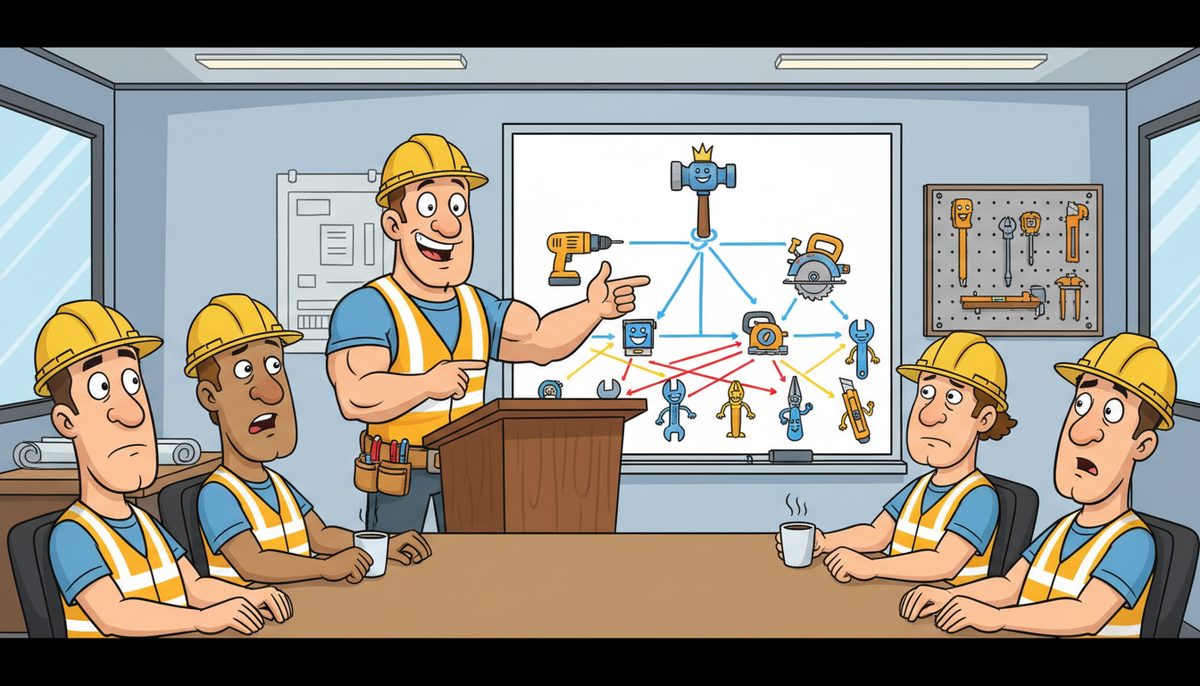
The Big 8 tech companies—Apple, Microsoft, Amazon, Alphabet (Google), Meta (Facebook), Tesla, Nvidia, and TSMC—represent the world’s most valuable technology corporations by market capitalization, collectively worth over $10 trillion USD as of 2024. These companies dominate cloud computing, semiconductors, electric vehicles, social media, search, e-commerce, and enterprise software, shaping global digital infrastructure and innovation.
Who Are the Big 8 Tech Companies?
The Big 8 tech companies are the most influential corporations in the global technology sector. This group includes Apple, Microsoft, Amazon, Alphabet (Google’s parent company), Meta (formerly Facebook), Tesla, Nvidia, and Taiwan Semiconductor Manufacturing Company (TSMC).
Apple leads in consumer electronics with the iPhone, iPad, and Mac product lines. Microsoft dominates enterprise software and cloud services through Windows, Office 365, and Azure. Amazon controls e-commerce and cloud infrastructure via AWS, the world’s largest cloud platform.
Alphabet owns Google, the dominant search engine processing over 8.5 billion searches daily, plus YouTube and Android. Meta operates Facebook, Instagram, and WhatsApp, connecting more than 3 billion users worldwide. Tesla pioneered mass-market electric vehicles and battery technology.
Nvidia designs graphics processing units (GPUs) that power artificial intelligence, gaming, and data centers. TSMC manufactures the advanced semiconductors that enable nearly all modern electronics, producing chips for Apple, Nvidia, and AMD.
These eight companies shape the technology infrastructure that construction firms on Vancouver Island rely on daily—from Microsoft project management software to cloud-based estimating tools running on AWS, to the smartphones and tablets used on job sites.
Why Are These Eight Companies Grouped Together?
The Big 8 designation reflects market capitalization, global influence, and technological dominance. Each company has achieved a valuation exceeding $500 billion USD, placing them among the world’s ten most valuable corporations.
These companies control critical infrastructure layers. Microsoft and Amazon dominate cloud computing, which hosts the project management and estimating software construction companies use. Nvidia and TSMC enable the computing power behind AI and machine learning applications transforming construction planning.
Their platforms are interdependent. Apple devices run apps built on Amazon’s cloud. Meta’s social platforms depend on TSMC’s chips. Google’s search relies on Nvidia’s AI processors. This interconnection creates an ecosystem that underpins modern business operations.
For Victoria construction firms, system failures or security breaches at any Big 8 company can disrupt operations. When Microsoft’s Azure experienced a regional outage in 2023, construction companies across North America lost access to project files and communication tools. Managed IT services help mitigate these dependencies through redundant systems and local backups.
Luigi Mansueti from a Victoria construction company explained how local IT support made the difference: “DataStream installed a new backup system, provided security for our network, and established a roadmap for future projects. DataStream thoroughly cleaned our file sharing, implemented password control, and smoothly transitioned us to take back control of our network.”
The Big 8’s dominance means businesses must plan for both their reliability and their vulnerabilities.
How Do the Big 8 Tech Companies Impact Construction Operations?
Construction companies on Vancouver Island depend on Big 8 technologies throughout every project phase. Microsoft provides the Office 365 suite used for bids, contracts, and progress reports required by WorkSafeBC and BC’s Builders Lien Act documentation timelines.
Amazon Web Services hosts most construction management platforms like Procore, Buildertrend, and CoConstruct. When estimating software crashes before a tender deadline, the problem often traces to AWS infrastructure, Microsoft authentication services, or local network issues.
Apple devices dominate job sites. Superintendents use iPads for daily reports, RFIs, and punch lists. Field staff photograph as-builts and deficiencies on iPhones. These devices sync through Apple’s iCloud, creating another dependency point that requires backup strategies.
Google’s Workspace (Gmail, Drive, Docs) serves as the collaboration platform for many smaller contractors coordinating with subcontractors across multiple sites. Meta’s WhatsApp has become an unofficial communication channel for quick questions between PMs and subs, though it lacks the security controls required for projects subject to FIPPA regulations.
Tesla’s electric vehicle technology influences fleet decisions for construction companies evaluating sustainability commitments. Nvidia’s AI chips power the machine learning algorithms in BIM software that detect design conflicts before construction begins.
Construction firms using cloud-based project management depend on at least four of the Big 8 companies simultaneously for normal operations.
This interdependence creates IT support challenges unique to construction. When a site office loses connectivity in rural Vancouver Island locations with limited cellular coverage, problems compound quickly. DataStream’s local technicians in Victoria, Nanaimo, Duncan, and Cobble Hill can respond on-site when remote resolution isn’t possible—critical for time-sensitive situations like bid submissions or progress billing deadlines.
The Big 8’s technologies enable modern construction workflows but require robust IT infrastructure and support to maintain reliability.
What Distinguishes Each of the Big 8 Companies?
Each Big 8 company dominates a specific technology domain. Understanding their specializations helps construction firms assess their dependencies and risks.
| Company | Primary Business | Construction Industry Relevance | Market Cap Range (2024) |
|---|---|---|---|
| Apple | Consumer electronics, devices | iPhones and iPads used on job sites for documentation, photos, and field communication | $2.5–3.0 trillion USD |
| Microsoft | Enterprise software, cloud services | Office 365, Project, Azure hosting for construction management software | $2.3–2.8 trillion USD |
| Amazon | E-commerce, cloud computing (AWS) | AWS hosts most construction management platforms; procurement of materials and equipment | $1.3–1.7 trillion USD |
| Alphabet (Google) | Search, advertising, cloud | Google Workspace for collaboration; Google Maps for site locations; YouTube for training | $1.5–1.9 trillion USD |
| Meta | Social media, messaging | WhatsApp for quick team communication; Facebook for recruiting and marketing | $0.7–1.0 trillion USD |
| Tesla | Electric vehicles, energy storage | Fleet electrification decisions; battery technology for off-grid job site power | $0.6–0.9 trillion USD |
| Nvidia | Graphics processors, AI chips | Powers AI in BIM software, design conflict detection, and project scheduling optimization | $1.0–1.5 trillion USD |
| TSMC | Semiconductor manufacturing | Manufactures chips for all devices and systems used in construction operations | $0.5–0.7 trillion USD |
Apple’s ecosystem creates efficiency but also lock-in. Construction firms standardized on iPads face significant switching costs. Microsoft’s dominance in enterprise software means most construction-specific applications integrate with Office 365 and Azure Active Directory.
Amazon’s AWS outages affect multiple construction platforms simultaneously. A 2022 AWS disruption in the US-West region knocked offline project management, estimating, and time-tracking systems for thousands of contractors.
Alphabet’s Google Workspace offers a lower-cost alternative to Microsoft but with fewer construction-specific integrations. Meta’s platforms lack enterprise security features, creating compliance risks for projects subject to FIPPA requirements common in Victoria’s government and institutional construction sector.
Tesla’s influence extends beyond vehicles—their Powerwall battery technology is being tested for off-grid job site power in remote Vancouver Island locations. Nvidia’s AI capabilities are transforming takeoff accuracy and change order prediction.
TSMC’s role is foundational but invisible. Chip shortages in 2021-2022 delayed deliveries of construction equipment with electronic controls, demonstrating how semiconductor supply affects physical construction timelines.
The Big 8’s specializations create a technology stack that construction companies navigate daily, often without realizing the dependencies.
How Should Construction Firms Manage Big 8 Technology Dependencies?
Construction companies on Vancouver Island face unique challenges managing dependencies on Big 8 technologies. The island’s geography—with job sites spread from Victoria to Port Hardy—combined with rural connectivity limitations creates vulnerability when cloud services fail.
Start with local data backups. Cloud-based project management is efficient until AWS or Azure experiences an outage during a critical bid deadline. Construction-focused IT support includes local server backups and redundant systems that maintain access to estimating software, project files, and submittal documents even when cloud services are unavailable.
Implement multi-platform strategies. Don’t rely solely on Microsoft or Google for all collaboration and file storage. Diversification reduces the impact when a single Big 8 company experiences service disruptions or implements policy changes that affect your workflows.
Prioritize security for devices and accounts. Apple, Microsoft, and Google accounts contain years of project documentation, client communications, and financial data. Advanced security solutions protect against credential theft that could expose sensitive information about institutional projects subject to FIPPA regulations.
Plan for connectivity failures. Rural Vancouver Island job sites often lack reliable cellular or internet access. Local IT support that can dispatch technicians to site offices in Duncan, Nanaimo, or remote locations ensures problems get resolved even when remote support isn’t possible.
Document your technology dependencies. Map which Big 8 services your estimating, project management, accounting, and communication systems rely on. This visibility helps you assess risk and plan contingencies for bid deadlines, progress billing, and substantial completion documentation.
Test your backup and recovery systems. WorkSafeBC incident reporting and BC Builders Lien Act documentation have strict timelines. Verify that you can access and submit required documents even if your primary cloud services are unavailable.
DataStream’s proactive approach helps construction firms maintain operations despite Big 8 dependencies. Their live local support—with no voicemail or phone trees—means you reach a person immediately when systems fail before a tender deadline. Most problems get fixed remotely within minutes, and automatic on-site dispatch handles situations requiring physical presence.
Managing Big 8 dependencies isn’t about avoiding these technologies—they’re essential for competitive construction operations—but about building resilience through local backups, redundant systems, and responsive IT support.
What Are the Alternatives to Big 8 Technologies?
While the Big 8 dominate, alternatives exist for construction firms seeking to reduce dependencies or costs. Understanding these options helps you make informed technology decisions.
For Microsoft Office 365, Google Workspace offers comparable collaboration tools at lower cost. However, construction-specific software often integrates more seamlessly with Microsoft’s ecosystem. Open-source alternatives like LibreOffice work for basic documents but lack cloud collaboration features essential for coordinating with subcontractors across multiple sites.
Instead of AWS, construction firms can use Microsoft Azure or Google Cloud Platform. Some construction management platforms offer multi-cloud deployments, reducing single-vendor risk. On-premises servers provide complete control but require significant IT expertise—challenging for smaller contractors without dedicated staff.
Apple devices face competition from Android smartphones and tablets manufactured using TSMC chips. Android offers lower hardware costs and more device choices, but Apple’s ecosystem integration (iCloud, AirDrop, Continuity) creates efficiency gains that offset higher prices for many construction firms.
For communication, Microsoft Teams or Slack provide enterprise-grade alternatives to Meta’s WhatsApp, with better security controls for projects requiring FIPPA compliance. These platforms integrate with project management software for centralized communication records.
Email hosting alternatives to Google and Microsoft include Canadian providers like FastMail or self-hosted solutions. However, construction firms increasingly need the integrated calendaring, file storage, and mobile access that Big 8 platforms provide.
Tesla’s electric vehicles compete with traditional manufacturers now offering electric trucks and vans. For construction fleets, Ford’s F-150 Lightning and Mercedes eSprinter provide alternatives with established service networks across Vancouver Island.
The practical reality: most construction firms use a mix of Big 8 and alternative technologies. The key is strategic redundancy—ensuring critical functions like estimating, bid submission, and progress billing can continue even if a single platform fails.
Local IT support in Victoria helps construction firms evaluate alternatives, implement redundant systems, and maintain operations across diverse technology platforms. The goal isn’t eliminating Big 8 dependencies but managing them intelligently.
Frequently Asked Questions
Are the Big 8 the same as FAANG companies?
No, the Big 8 and FAANG represent different groupings. FAANG originally included Facebook (Meta), Apple, Amazon, Netflix, and Google (Alphabet)—five companies focused on consumer technology. The Big 8 expands this to include Microsoft, Tesla, Nvidia, and TSMC while typically excluding Netflix, reflecting the growing importance of semiconductors, AI infrastructure, and electric vehicles in the technology sector’s market capitalization and influence.
How often does the Big 8 membership change?
The Big 8 composition shifts with market valuations and technological importance. In 2020, most lists included Netflix instead of Nvidia or TSMC. As AI and semiconductor manufacturing became critical infrastructure, Nvidia and TSMC displaced less valuable companies. Expect continued evolution as new technologies emerge—quantum computing, biotechnology, or renewable energy companies could join if they achieve comparable market caps and infrastructure importance over the next decade.
Do the Big 8 companies compete or collaborate?
Both extensively. Apple and Microsoft compete in personal computing but collaborate on enterprise integration. Amazon’s AWS competes with Microsoft Azure and Google Cloud but also hosts applications that compete with Amazon’s own services. Nvidia sells chips to all cloud providers. TSMC manufactures semiconductors for companies that compete with each other. This complex web of competition and interdependence characterizes the modern technology sector and creates the ecosystem construction firms navigate daily.
Why does Big 8 membership matter for construction companies?
Understanding Big 8 dependencies helps construction firms assess technology risks and plan contingencies. When you know your estimating software runs on AWS, your project management uses Microsoft authentication, and your field documentation relies on Apple devices, you can implement backup systems for critical deadlines. Victoria construction companies working on government projects with FIPPA requirements need especially robust IT infrastructure, as data breaches or service outages can delay progress billing and substantial completion documentation with significant financial consequences.