
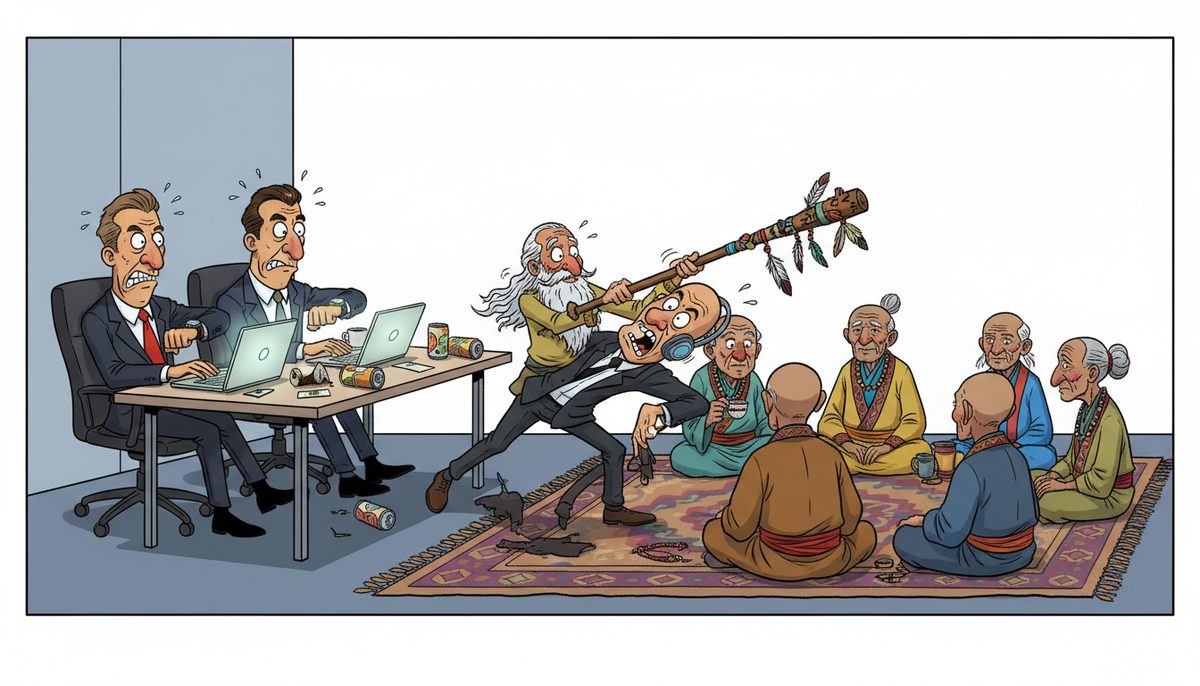
Working with First Nations governance requires understanding both elected band council structures and traditional leadership protocols, typically involving community consultation periods of 30-90 days for technology decisions affecting sensitive data or cultural materials. Your organization must navigate dual authority systems where band council resolutions provide legal authority while hereditary chiefs and elders offer cultural guidance, ensuring technology decisions respect OCAP® principles (Ownership, Control, Access, Possession) and align with community self-determination values.
Why do technology decisions take longer in First Nations communities?
Your technology projects aren’t delayed because of inefficiency. They’re following governance protocols that protect community interests and cultural sovereignty in ways municipal or corporate decision-making never considers.
Most First Nations operate under dual governance systems. The elected band council holds legal authority under the Indian Act, making binding decisions on contracts and spending. But traditional leadership—hereditary chiefs, clan mothers, or elders councils—hold cultural authority that shapes community acceptance and long-term success.
When you propose a donor management system or network upgrade, you’re not just asking for budget approval. You’re asking the community to trust you with data about their members, potentially including sensitive cultural information, health records tied to treaty benefits, or family connections that carry governance implications.
Community consultation isn’t a courtesy. It’s a legal requirement under many modern treaties and a cultural imperative that predates colonial governance structures by centuries. Rushing this process signals that you don’t understand—or don’t respect—how decisions affecting the collective are properly made.
The consultation period allows community members to ask questions, raise concerns, and understand how technology changes affect them personally. It gives elders time to consider cultural implications you might never see. It lets technical staff explain requirements to leadership in culturally appropriate ways.
Technology decisions that affect the community properly take time because they matter.
What authority does a band council resolution actually carry?
A Band Council Resolution (BCR) is the legal instrument that authorizes contracts, spending, and policy decisions in most First Nations communities. It’s equivalent to a municipal bylaw or corporate board resolution, carrying binding legal authority.
You need a BCR to sign an IT services contract, implement a new data management system, or authorize access to community networks. Without it, you have no legal authority to proceed, regardless of verbal approvals or email confirmations from individual staff members.
Band councils typically meet monthly or bi-monthly. Getting an item on the agenda requires advance notice—often two weeks to a month. The agenda package must include your proposal details, cost implications, and any background information councillors need to make an informed decision.
Council meetings follow Robert’s Rules of Order or traditional protocols. Decisions require quorum and majority vote. Contentious items might be tabled for more information or community input. Urgent items can sometimes be handled through emergency meetings, but “urgent” means community safety or critical operations, not your project timeline.
Once passed, a BCR is signed by the Chief and council members present, stamped with the band seal, and becomes part of the official record. You’ll receive a certified copy for your files. This document is your authorization to proceed and your protection if questions arise later about who approved what.
Understanding BCR processes means building realistic timelines into your proposals and respecting the governance rhythm of the community.
How do you navigate traditional leadership alongside elected structures?
Traditional leadership structures vary dramatically between nations. Coast Salish communities on Vancouver Island often recognize hereditary chiefs whose authority flows from family lineage and cultural knowledge. Some nations have clan systems where clan mothers hold decision-making power. Others have elders councils that provide guidance on cultural matters.
Your technology project might have full band council approval but still face community resistance if traditional leaders weren’t consulted. This isn’t political obstruction—it’s the community telling you that legal authority alone doesn’t equal legitimate authority in their governance system.
Smart technology planning includes early informal consultation with traditional leadership. This might mean attending a community feast to explain your project, meeting with elders to discuss data sovereignty concerns, or asking cultural advisors which protocols apply to the information you’ll be handling.
Traditional leaders often focus on different questions than band council. Council asks about cost, contracts, and compliance. Elders ask about cultural safety, long-term community impact, and whether your approach aligns with traditional values about information sharing and collective decision-making.
When both elected and traditional leadership support your project, implementation becomes dramatically easier. Community members trust that all aspects—legal, practical, and cultural—have been properly considered.
You don’t need to become an expert in traditional governance. You need to ask who should be consulted, listen when cultural concerns are raised, and build timelines that respect both systems.
What are OCAP® principles and why do they govern your technology decisions?
OCAP® stands for Ownership, Control, Access, and Possession—principles developed by the First Nations Information Governance Centre that define how First Nations data should be collected, protected, used, and shared.
First Nations communities own data about their members, their lands, and their operations—even when that data is physically stored on servers or managed through systems outside the community.
Ownership means the community has inherent rights to their collective information. Your donor database doesn’t belong to your nonprofit or your software vendor—it belongs to the community whose members’ information it contains.
Control means the community governs how data is collected, used, disclosed, and destroyed. You can’t share community statistics with funders, researchers, or partner organizations without explicit permission, even if the data is anonymized. You can’t change what information you collect without community approval.
Access means community members have the right to see and use data about themselves and their collective. Your systems must allow the community to access, interpret, and use their own information for their own purposes.
Possession means the community should physically hold their data or have protected, direct access to it. Cloud storage on servers in other countries raises sovereignty concerns. Local backups under community control matter. Who holds the encryption keys becomes a governance question, not just a technical one.
When you propose technology solutions, you must address OCAP® explicitly. Where will data be stored? Who can access it? How will the community maintain control if your organization or your vendor relationship ends? What happens to the data if your nonprofit closes?
These aren’t abstract principles. They’re governance requirements that shape acceptable technology choices.
How do you build decision-making timelines that respect community processes?
Start by asking the community what their governance cycle looks like. When does council meet? What’s the agenda deadline? Are there seasonal considerations—fishing openings, cultural ceremonies, treaty negotiations—that affect when major decisions can be made?
Build consultation time into your project plan from the beginning. If you need a decision by March for a summer implementation, you’re probably starting conversations in December or January. That’s not bureaucratic delay—that’s realistic planning for proper governance.
Present proposals in stages. An initial conversation introduces the concept and identifies concerns. A formal presentation to council provides details and answers questions. A written proposal submitted for the agenda package gives councillors time to review. The BCR vote comes only after everyone understands what they’re approving.
Expect questions about data sovereignty, cultural safety, community benefit, and long-term sustainability. These questions aren’t obstacles—they’re evidence of good governance. Communities that ask hard questions upfront have fewer problems during implementation.
Be prepared to revise your approach based on community input. The solution you proposed might not align with governance protocols, cultural values, or practical realities you didn’t initially understand. Flexibility signals respect and builds trust.
When working with Vancouver Island First Nations, local IT support becomes particularly important. Ferry schedules and travel costs make mainland technicians impractical for time-sensitive issues during grant deadlines or community events. Victoria-based technicians who understand island geography can reach communities in Duncan, Nanaimo, or remote locations without ferry delays, respecting your timelines and practical needs.
Document everything in writing, but recognize that relationship and trust matter more than contracts. Communities remember whether you kept your word, respected their processes, and delivered what you promised.
When should your technology partner understand First Nations governance?
You need IT support that recognizes First Nations governance isn’t slower or more complicated than other decision-making—it’s different, and legitimately so. When your technology partner understands why a BCR is required, why data sovereignty matters, and why community consultation takes time, they build solutions and timelines that work with your governance structure instead of fighting against it.
Carrie Wong, working with a utilities organization serving First Nations communities, experienced this difference: “It’s always pleasure working with them. All of DataStream’s team is highly personable. Not only do they provide timely service but they are able to interpret my request and ensure all the related requirements are met as well. They are great at follow-up too!!” That ability to interpret requests and meet related requirements becomes critical when working across governance systems where unstated cultural requirements matter as much as technical specifications.
When your donor system needs urgent attention before a funding deadline, or your network goes down during a community event, you need support that arrives without ferry delays. Local technicians in Victoria, Duncan, and Nanaimo reach Vancouver Island communities quickly, and most problems get fixed remotely within minutes—no waiting for someone to understand your governance context or your geographic reality.
Live people answer the phone immediately, with no voicemail or phone trees. That matters when you’re trying to resolve a technology crisis while respecting community protocols and meeting grant deadlines that don’t flex for IT problems.
Here’s how technology support works when it respects your governance:
- Call (250) 929-0745 and talk immediately to a real Victoria technician who understands First Nations data sovereignty and governance requirements
- Get your problem diagnosed and fixed remotely within minutes in most cases, with full documentation for your records and compliance requirements
- If on-site support is needed, a local Vancouver Island technician arrives at your community without ferry delays or mainland travel costs
What does success look like when technology respects governance?
You present technology proposals confidently, knowing you’ve built in proper consultation time and addressed OCAP® principles from the start. Council approves your projects because they understand the benefits, the safeguards, and the community control mechanisms.
Your systems protect sensitive community data according to both legal requirements and cultural protocols. When auditors or funders ask about data governance, you have clear answers rooted in community sovereignty and proper authorization.
Community members trust that their information is safe, properly used, and under community control. Traditional leadership and elected council both support your technology direction because both were properly consulted and their concerns addressed.
When technology problems arise, you get immediate support from people who understand why certain solutions are acceptable and others aren’t, who document everything properly for governance records, and who arrive quickly without ferry delays when remote fixes aren’t enough.
Your technology serves the community’s mission while respecting the governance processes that protect community interests and cultural sovereignty.
Call (250) 929-0745 to talk to a real technician who understands First Nations governance and Vancouver Island geography, or explore how managed IT services can support your community’s technology needs while respecting your decision-making processes.
Frequently asked questions
Do all First Nations require Band Council Resolutions for IT contracts?
Most First Nations operating under the Indian Act require BCRs for contracts and significant expenditures, but modern treaty nations and self-governing First Nations may have different approval processes defined in their constitutions or governance codes. Always ask the community’s administration office what authorization process applies to your specific project and build that timeline into your planning from the beginning.
How do OCAP® principles affect cloud storage and backup solutions?
OCAP® principles require First Nations communities to maintain control over their data location, access, and use. Cloud storage on foreign servers may conflict with data sovereignty requirements, making local or Canadian-hosted backups preferable. Your backup solution must allow the community to access, retrieve, and control their data independently of your organization, with encryption keys and access credentials under community control rather than vendor control.
What’s the difference between consultation and consent in First Nations governance?
Consultation means informing the community and considering their input, but the final decision rests with your organization. Consent means the community has decision-making authority and can say no. For technology affecting community data, cultural materials, or sensitive information, consent is the appropriate standard—the community decides whether to proceed, not just whether they’ve been adequately informed about your decision.
How long does community consultation typically take for technology projects?
Meaningful consultation typically requires 30-90 days depending on project scope, community size, and governance processes. Simple upgrades with minimal data implications might move faster, while new systems handling sensitive information or requiring policy changes need longer consultation periods. Seasonal factors like fishing openings, cultural ceremonies, or treaty negotiations can extend timelines, so start conversations early and ask the community what realistic timelines look like.
Can technology decisions be made faster in emergency situations?
Yes, but “emergency” means immediate threat to community safety, critical operations, or legal compliance—not your project deadline or budget cycle. Band councils can call emergency meetings for urgent matters, and some governance codes allow Chief and council to act between meetings for genuine emergencies with ratification at the next regular meeting. Technology failures during critical operations might qualify, but new system implementations rarely meet the emergency threshold regardless of your timeline pressure.